Auto Top & Door Rubber Seal Noise-Reducing Lubricant
Reduce squeaks and protect vehicle rubber seals with a noise-reducing lubricant designed to maintain flexibility, minimize friction, and improve daily driving comfort.
AUTOMOBILE
2/17/20262 min read
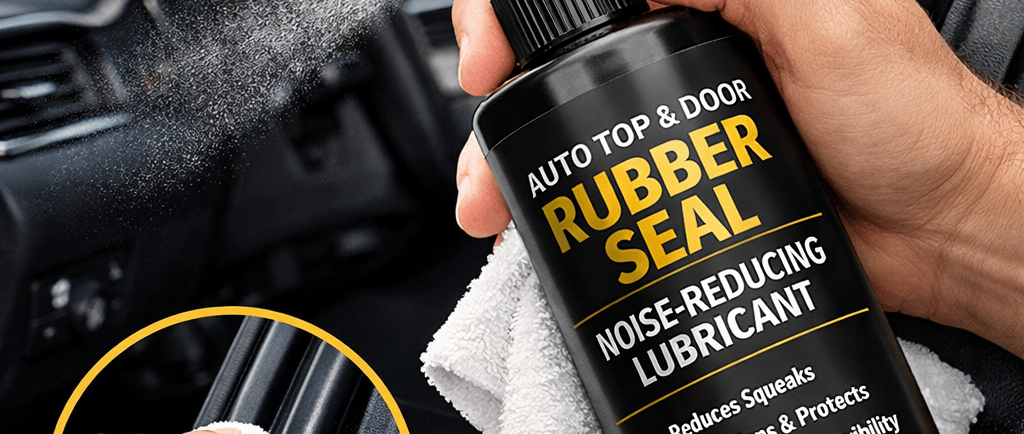
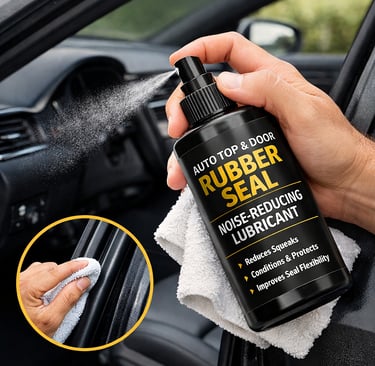
Rubber seals around car doors, windows, and convertible tops play an essential role in keeping vehicles quiet, weather-resistant, and comfortable. Over time, these seals may dry out, lose flexibility, or begin to create unwanted squeaking noises during opening, closing, or driving. A noise-reducing lubricant designed for rubber components is often used as part of routine vehicle maintenance to help preserve performance.
Why Rubber Seals May Start Making Noise
Daily exposure to temperature changes, dust, and moisture can affect the condition of automotive rubber. As seals age, friction between surfaces may increase, which sometimes leads to vibration sounds or sticking during door movement.
Common causes include:
Dry or hardened rubber surfaces
Dust accumulation along contact points
Seasonal temperature changes
Lack of regular conditioning or maintenance
Applying a suitable lubricant may help restore smooth contact between surfaces while supporting long-term flexibility.
How Noise-Reducing Rubber Seal Lubricants Are Typically Used
Products in this category are generally designed to create a thin protective layer over rubber components. This layer may help reduce friction, limit squeaks, and support resistance against cracking or weathering.
They are often applied to:
Door weatherstrips
Convertible top seals
Trunk and hood gaskets
Window channel rubber
Application is usually done with a cloth or applicator, following manufacturer instructions to avoid excess product buildup.
Potential Benefits of Regular Rubber Seal Maintenance
When used correctly as part of a preventive maintenance routine, a rubber seal lubricant may help:
Reduce noise caused by dry or sticking seals
Maintain elasticity and flexibility of rubber surfaces
Improve door closing smoothness
Provide light protection against moisture and environmental wear
Regular inspection of seals alongside cleaning can also help identify early signs of deterioration.
Practical Maintenance Tips
Clean seals gently before applying any lubricant to remove dust or debris.
Use a small amount and spread evenly to avoid residue.
Reapply periodically depending on climate conditions and vehicle usage.
Always test on a small area first when using a new product.
Conclusion
Maintaining rubber seals is a small but important step toward preserving vehicle comfort and longevity. A noise-reducing lubricant designed for auto tops and door seals may help minimize friction-related sounds while supporting the overall durability of weatherstripping components.
FAQ — Auto Rubber Seal Lubricants
How often should rubber seals be treated?
Frequency may vary, but many drivers include seal conditioning during seasonal vehicle maintenance.
Can lubricant stop all door noises?
It may reduce friction-related squeaks, but structural issues or damaged seals may require replacement.
Is this type of product suitable for all vehicles?
Most lubricants are designed for a wide range of rubber components, though manufacturer guidelines should always be followed.
Door Rubber Seal Noise-Reducing Lubricant
Reduce squeaks and protect vehicle rubber seals with a noise-reducing lubricant designed to maintain flexibility, minimize friction, and improve daily driving comfort.
❤️Our team loves this product:
Engineering Lovers is a participant in the Amazon Services LLC Associates Program, an affiliate advertising program designed to provide a means for sites to earn advertising fees by advertising and linking to engineering-lovers.eu
Disclaimer
The content is for informational and educational purposes only. While we strive for accuracy, we make no guarantees about completeness or reliability. The opinions expressed are those of the authors and do not reflect professional engineering advice. Always consult a qualified expert before making technical or safety-related decisions.
© 2025. All rights reserved.
Privacy Policy
Engineering Lovers is a participant in the Amazon Services LLC Associates Program, an affiliate advertising program designed to provide a means for sites to earn advertising fees by advertising and linking to engineering-lovers.eu